Loan against property (LAP)
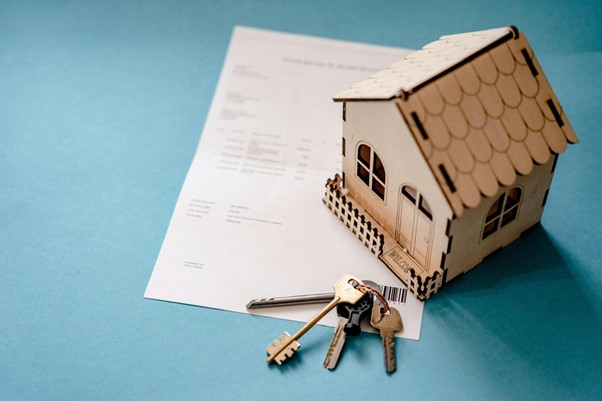
Loan Against Property
Loan Against Property in Gurgaon New Delhi NCR India from leading banks
Loan Against Property, often referred to as LAP, is a secured form of credit where an individual or business pledges their existing property to obtain funds. This loan can be used for various personal or professional needs, subject to the bank’s approval.
- Funding available up to 75% of the property's market value
- Flexible repayment period of up to 20 years
- Overdraft facility offered for added flexibility
- Loans possible even in non-approved locations
- Available against residential, commercial, or industrial properties
The amount of loan is decided by bank on the basis of income of the customer and the market value of the property. The property to be mortgaged should legally and technically be acceptable for the purpose of creating mortgage.
How is the Loan Amount Determined?
When applying for a Loan Against Property (LAP), the bank evaluates two primary factors:
1. Your income level, which defines your repayment capacity
2. The market value of the property, which serves as collateral
The property must also pass both legal and technical scrutiny to be eligible for mortgage.
What Loan Amount Can I Qualify For?
The eligibility for a LAP depends largely on:
• Loan-to-Value (LTV) Ratio: This represents the proportion of the property’s current market value that the bank is willing to finance. LTV in LAPs typically ranges between 50% to 70%, depending on:
o Property type (residential/commercial)
o Usage (self-occupied/rented)
o Chosen loan tenure
• Income-Based Eligibility: Your income helps determine how much you can borrow comfortably. Use our loan eligibility calculator to get an estimate instantly.
How Do LAP Interest Rates Work?
Interest rates on LAPs are slightly higher than those on home loans. Why? Because the loan amount isn’t used to buy a residential unit—it’s considered a multi-purpose loan, hence higher risk.
LAPs are generally offered on a floating interest rate basis, linked to:
• Repo Rate / T-Bill Rate (for banks)
• PLR / FRR (for NBFCs and Housing Finance Companies)
The margin or spread agreed upon at the time of loan sanction remains unchanged, but the overall interest rate fluctuates with changes in these benchmarks.
What Is the Repayment Method?
LAP repayments are done via EMIs (Equated Monthly Installments). Each EMI covers:
• A portion of the principal
• Interest on the outstanding loan
Though the EMI amount remains constant, the ratio of principal and interest shifts over time. You can use our EMI calculator to know your monthly outgo.
Loan tenures for LAPs can extend up to 15 years, subject to applicant age and lender policies. A longer term means lower EMI, but higher total interest over time.
For better clarity, try our Amortization Calculator to view a complete repayment schedule.
Can the Loan Have Multiple Borrowers?
Yes, all owners of the property must be co-applicants in the LAP application. This is mandatory.
In some cases, co-borrowers are added to:
• Boost income eligibility
• Reflect joint ownership of the property
Only close family members (like spouse, siblings, or parents) are allowed as co-applicants by most lenders.
Can I Prepay or Close the Loan Early?
Yes, you can. Most banks and NBFCs permit part-prepayment of up to 25% of the outstanding principal per financial year without penalty.
For full foreclosure:
• If the loan is in an individual’s name, no penalty is charged.
• If a business entity is part of the loan, foreclosure may attract charges of 2% to 4% of the prepaid amount.
When making a part-prepayment, you can choose to either:
• Reduce the remaining loan tenure
• Lower your monthly EMI
What Are the Fees Involved?
Banks levy a processing fee or administrative charge while evaluating your loan application.
For LAPs, these charges are usually higher than for home loans:
• They range from 0.25% to 1% of the disbursed loan amount.
However, we negotiate the best terms on your behalf, and in many cases, subvent or reimburse a part of this fee to save you money.
How Are EMI Components Structured?
Each EMI consists of:
• A principal repayment portion
• An interest portion
In the early stages of your loan, a larger part of your EMI goes toward interest. As the loan progresses, the principal component increases.
To get a detailed month-by-month breakdown, generate a personalized amortization schedule using our online tool.
Customers Testimonials

Apply for a Loan Now